What to Expect During the Restoration Process
People searching for storm restoration are typically looking to repair storm damage, and local contractors can handle assessments, repairs, and restoring their property efficiently.
Understanding what to expect during the restoration process can help property owners feel more prepared when facing storm damage. This phase often involves a series of coordinated steps, from initial assessment to final repairs, all designed to restore safety and stability to a property. Local contractors experienced in storm restoration services are equipped to guide homeowners through each stage, ensuring that the process is transparent and manageable. Exploring this topic can provide valuable insights into how professionals handle the complexities of storm-related damage, giving property owners confidence in the steps involved.
For those living in storm-prone areas, knowing what the restoration process entails is practical for planning and peace of mind. It’s common to wonder about the timeline, the types of work involved, and how repairs will be coordinated. Local service providers specializing in storm restoration are familiar with these concerns and can help clarify what to expect during each phase. Continuing to read can offer helpful information on how local experts facilitate efficient, thorough restoration efforts, making the recovery journey smoother for property owners.
- Roof Damage Repair - when storm-related roof damage occurs, local contractors assess the extent and provide necessary repairs to restore protection.
- Water Damage Restoration - after heavy rains or flooding, service providers evaluate affected areas and perform water extraction and drying.
- Wind Damage Assessment - in cases of high winds, local pros inspect for structural damage and recommend appropriate repairs.
- Gutter and Drainage Cleanup - following storms, professionals clear debris from gutters and ensure proper drainage to prevent future issues.
- Siding and Exterior Repair - when storm debris impacts exterior surfaces, local contractors handle repairs to maintain the building’s integrity.

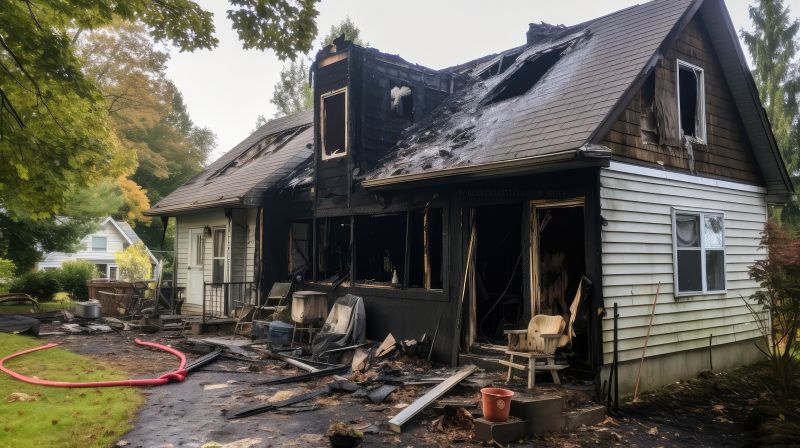

Understanding what to expect during the restoration process is an important step for homeowners facing damage caused by storms or severe weather. When searching for this information, many people are looking for a clear overview of how the repair journey unfolds, including the typical stages involved and what they should anticipate at each phase. This process often relates to repairs for damaged roofs, siding, windows, or entire properties affected by wind, hail, or flooding. Homeowners want to know how repairs will be managed, what kind of work will be done, and how local contractors will coordinate efforts to restore their homes to a safe and functional condition.
The restoration process generally begins with an assessment of the damage, which helps determine the scope of work needed. Once a plan is in place, local service providers usually start by securing the property and removing debris or compromised materials. This initial phase is followed by repairs or replacements of damaged components, which can include roofing, siding, or interior elements. Throughout the process, homeowners can expect ongoing communication from the contractors to keep them informed about progress and any adjustments needed. Understanding these stages helps homeowners prepare for what’s ahead and ensures they are aware of how local pros will handle each part of the restoration.
The types of properties that typically undergo storm restoration projects include single-family homes, multi-family residences, and sometimes small commercial buildings. The extent of damage can vary widely, from minor repairs to complete rebuilds, depending on the severity of the storm impact. For homeowners, it’s common to seek restoration services after experiencing hail damage to roofs, wind damage to windows and siding, or flooding that affects basements and interiors. Local contractors who specialize in storm restoration are equipped to handle these different property types, providing tailored solutions that address specific damage and help return the property to its pre-storm condition.
Throughout the restoration process, homeowners should expect a collaborative effort with local service providers who understand the unique challenges posed by storm damage. These professionals bring practical experience in managing storm-related repairs, ensuring that the work is performed efficiently and according to the property’s needs. By working with local pros, homeowners gain access to knowledgeable experts who can navigate the complexities of storm damage repair, coordinate different aspects of the project, and help restore their property with minimal disruption. Knowing what to expect during this process can make the experience less stressful and more manageable for those facing the aftermath of a storm.
Water Damage Restoration - this type of project involves assessing and repairing areas affected by water intrusion, requiring similar planning and moisture mitigation techniques as storm restoration.
Roof Repair and Replacement - restoring storm-damaged roofs involves similar skills in damage assessment, material selection, and structural assessment used during storm restoration processes.
Fire and Smoke Damage Cleanup - both projects require detailed cleaning, odor removal, and material restoration, utilizing comparable tools and planning strategies to handle damage effects.
Mold Remediation Services - identifying and removing mold involves moisture control and detailed inspection, paralleling the assessment phase in storm damage restoration.
Structural Repair Services - repairing compromised structures from storms shares planning, safety protocols, and repair techniques with other restoration projects.
Insurance Damage Claim Assistance - navigating claims involves documentation and coordination similar to planning and managing storm restoration efforts with local contractors.

When evaluating storm restoration service providers, it is important to consider their experience with similar projects. Local contractors who have handled storm-related repairs before are more likely to understand the typical challenges and necessary steps involved in the restoration process. This familiarity can contribute to a smoother experience, as they are better equipped to anticipate potential issues and manage expectations throughout the project. Additionally, asking for reputable references or examples of past work can provide insights into their track record and reliability, helping homeowners feel more confident in their choice of service provider.
Clear written expectations are essential when navigating what to expect during the restoration process. Reputable local pros should be able to provide detailed descriptions of the scope of work, the materials that will be used, and the anticipated timeline, all documented in a way that is easy to understand. Having this clarity upfront reduces misunderstandings and ensures that homeowners have a realistic view of what the project entails. Good communication is also a key factor; service providers who keep homeowners informed about progress, potential delays, and any changes to the plan help foster transparency and trust throughout the restoration.
Finally, good communication and a professional approach are vital when comparing local contractors. Service providers who are responsive to questions and proactive in sharing updates demonstrate a commitment to customer service. This openness can make a significant difference in managing expectations and addressing concerns promptly, which is especially important during storm restoration efforts that often involve unexpected challenges. By choosing local pros with a reputation for clear communication and professionalism, homeowners can better navigate the process and feel more assured that their property is in capable hands.
Property owners often search for what to expect during the restoration process when they are planning practical projects around their homes and businesses. Local pros provide Storm Restoration services for everyday jobs and straightforward project options.
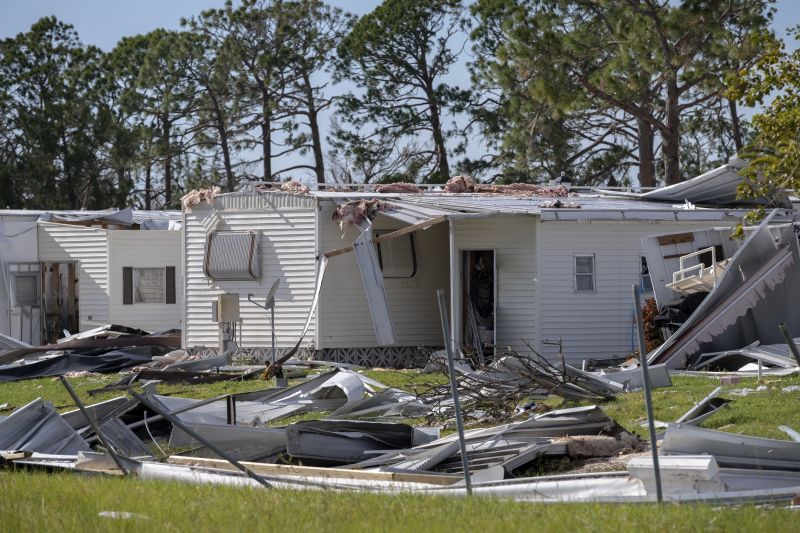
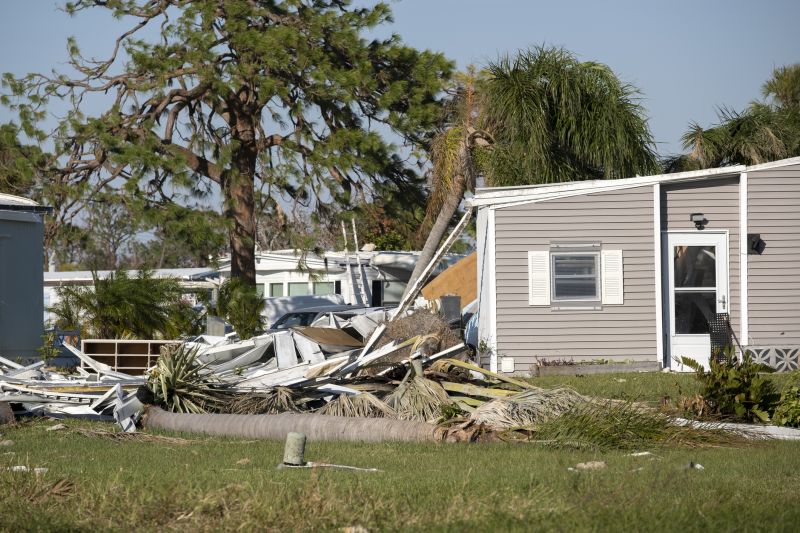
During the storm restoration process, property owners can generally expect a series of coordinated steps as local contractors work to return their homes or businesses to normal. Initially, there may be an assessment phase where service providers evaluate the extent of the damage, often involving visual inspections and discussions about the necessary repairs. Once the scope is understood, the restoration team typically moves on to securing the property, which might include tarping or boarding up openings to prevent further damage. Throughout this process, property owners should be prepared for some activity around their property, including debris removal, structural stabilization, and repairs to damaged roofing, siding, or windows.
Understanding what to expect during the restoration process can help property owners feel more prepared and less overwhelmed. It’s common for local service providers to communicate clearly about each stage, from initial assessment to final cleanup. During repairs, there may be periods of inconvenience, such as noise or limited access to certain areas, but these are usually temporary. The goal of these local contractors is to restore the property efficiently and thoroughly, ensuring that any storm-related damage is addressed properly. Property owners seeking storm restoration services can find dependable local pros ready to handle these situations with professionalism and expertise.
What should I expect during the restoration process after a storm? During storm restoration, local contractors typically assess the damage, secure the property, and begin repairs or replacements of damaged materials. They keep homeowners informed about the progress and any necessary steps to ensure the property is restored properly.
How do local service providers handle the cleanup during storm restoration? Storm restoration professionals usually start with debris removal and water extraction if needed. They prioritize safety and work to clear the area efficiently to prepare for repairs and prevent further damage.
What kind of repairs are common during storm restoration? Common repairs include replacing damaged roofing, siding, windows, and sometimes structural elements. Local contractors also address interior issues like water damage and mold prevention as part of the restoration process.
Will I need to be involved during the restoration process? Homeowners are typically kept informed about the work being done and may need to make decisions on certain repairs or materials. However, most of the restoration work is handled by the service providers on-site.
What should I do to prepare for the restoration process? It's helpful to clear access to damaged areas and secure personal belongings. Contacting local pros early can ensure they understand the scope of damage and can plan the restoration work accordingly.
Assessment and Inspection - Local contractors will evaluate the damage caused by storms to determine the necessary restoration steps, helping property owners understand what areas need attention.
Damage Repair Planning - Service providers can assist in developing a practical plan to restore roofing, siding, or other affected structures, ensuring the project aligns with the property's needs.
Material Selection and Preparation - Property owners can work with local pros to choose appropriate materials that match the existing structure and prepare the site for repairs.
Restoration and Cleanup - Local contractors will handle the repair work and ensure the property is cleaned up properly, restoring the home or business to its pre-storm condition.
If you are thinking about what to expect during the restoration process for a property, this guide is meant to help you understand this topic, the typical project types, and how different options might fit your plans.
When you are ready, you can use the quote form on this page to share a few details about your project. From there, local pros can review the basics and follow up with options that match what you have in mind.